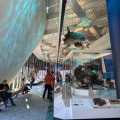
Northeast Ohio is a vibrant tapestry of culture, history, and artistic expression, making it a unique destination for those interested in exploring exhibits in Northeast Ohio. This region is not only home to a rich historical narrative but also serves as a canvas for contemporary artists and cultural institutions that reflect the diverse voices of its communities. From the bustling streets of Cleveland to the serene landscapes of Akron, the cultural landscape here is both dynamic and inviting, offering a plethora of experiences for art enthusiasts, history buffs, and casual visitors alike.The art scene in Northeast Ohio is characterized by its eclectic mix of museums, galleries, and public art installations that showcase local talent alongside renowned international works. Institutions such as the Cleveland Museum of Art and the Akron Art Museum play pivotal roles in this cultural ecosystem, providing platforms for exhibitions that highlight both historical significance and contemporary relevance.
These venues not only house impressive collections but also host rotating exhibits that engage with current social issues, making art accessible and relevant to all.Moreover, the region's commitment to fostering creativity is evident in its numerous community-driven initiatives and events. Local galleries often collaborate with artists to create immersive experiences that invite public participation, further enriching the cultural dialogue within the community. Festivals celebrating various art forms, from visual arts to music, are commonplace, drawing crowds from across the state and beyond. This sense of community engagement is crucial in nurturing a vibrant cultural landscape that resonates with both residents and visitors.As we delve deeper into the most recognized exhibits in Northeast Ohio, it becomes clear that these cultural offerings are not merely displays of artistic talent; they are reflections of the region's identity and values.
Each exhibit tells a story—of resilience, innovation, and connection—inviting all who encounter them to engage with the rich heritage and forward-thinking spirit that defines Northeast Ohio.
Overview of Notable Cultural Institutions
Northeast Ohio is home to a rich tapestry of cultural institutions that play a pivotal role in shaping the region's artistic landscape. These institutions not only preserve and showcase art but also foster community engagement and education, making them essential destinations for both locals and visitors.Among the most prominent of these institutions is the Cleveland Museum of Art. Established in 1916, this museum is renowned for its extensive collection that spans over 6,000 years of history. With more than 45,000 works of art from various cultures, including European, Asian, African, and American pieces, the museum offers a comprehensive view of global artistic achievements.The museum's commitment to accessibility is evident in its free admission policy, which encourages community participation and allows everyone to experience the beauty of art.The Cleveland Museum of Art frequently hosts special exhibitions that feature both historical and contemporary works. These exhibits often include collaborations with international museums, providing visitors with unique opportunities to engage with art from around the world. Additionally, the museum offers educational programs, workshops, and lectures that cater to diverse audiences, further enhancing its role as a cultural hub.Another iconic institution is the Rock and Roll Hall of Fame , located on the shores of Lake Erie in Cleveland. This museum celebrates the history and impact of rock music through a variety of exhibits that feature memorabilia from legendary artists such as Elvis Presley, Jimi Hendrix, and Aretha Franklin.
The Hall of Fame not only showcases artifacts but also provides interactive experiences that allow visitors to immerse themselves in the evolution of rock music.The Rock and Roll Hall of Fame hosts numerous events throughout the year, including live performances and educational programs aimed at promoting music appreciation among younger generations. Its annual induction ceremony is a highly anticipated event that draws attention from around the globe, solidifying its status as a key player in Northeast Ohio's cultural scene.In addition to these major institutions, Northeast Ohio boasts a variety of art galleries and smaller museums that contribute to the local culture. The Akron Art Museum , for instance, focuses on contemporary art and often features rotating exhibits that highlight local artists alongside international talent. This approach not only supports emerging artists but also fosters a sense of community pride.Furthermore, local galleries such as 121 Gallery and SPACES provide platforms for experimental art and innovative exhibitions.
These spaces encourage dialogue between artists and the community, making art accessible to all.In summary, the cultural institutions in Northeast Ohio are vital to preserving local heritage while promoting artistic expression. They serve as gathering places for community engagement and education, ensuring that art remains an integral part of life in this vibrant region.
Criteria for Recognizing Exhibits
Evaluating and recognizing exhibits in Northeast Ohio involves a comprehensive approach that considers various factors. These criteria not only highlight the quality and impact of the exhibits but also serve as benchmarks for cultural institutions aiming to enhance their offerings. Below are the primary criteria used to assess the recognition of exhibits in the region:- Awards and Honors: One of the most significant indicators of an exhibit's prestige is the recognition it receives through awards.
Exhibits that have been honored by reputable organizations, such as the American Alliance of Museums or local arts councils, often gain a heightened status. These accolades can range from local community awards to national recognitions, reflecting the exhibit's excellence in curation, educational value, and overall impact.
- Visitor Attendance: The number of visitors an exhibit attracts is a crucial metric for its success. High attendance figures indicate strong public interest and engagement. Exhibits that consistently draw large crowds often become cultural landmarks within the community, serving as a testament to their relevance and appeal.
Tracking visitor numbers can also provide insights into trends and preferences among audiences.
- Critical Acclaim: Reviews from art critics and cultural commentators play a vital role in shaping an exhibit's reputation. Positive feedback from respected publications can elevate an exhibit's profile, making it more attractive to potential visitors. Critics typically evaluate aspects such as creativity, educational content, and execution, which can significantly influence public perception.
- Community Engagement: Exhibits that actively involve the community through workshops, discussions, or interactive elements tend to receive higher recognition. Engaging the public not only enhances the visitor experience but also fosters a sense of ownership and pride within the community.
Programs that encourage participation can lead to lasting relationships between cultural institutions and their audiences.
Top Recognized Exhibits in Northeast Ohio
Northeast Ohio is a treasure trove of cultural experiences, with numerous exhibits that have gained recognition for their artistic and educational value. Here are some of the top exhibits that you should not miss when exploring this vibrant region:- The Rock and Roll Hall of Fame : Located in Cleveland, this iconic museum is dedicated to preserving the history of rock music. It features an extensive collection of memorabilia, including instruments, costumes, and personal artifacts from legendary artists like Elvis Presley, The Beatles, and Aretha Franklin.
The Hall also hosts rotating exhibits that explore various themes within rock music, making it a must-see for music lovers.
- The Cleveland Museum of Art : Renowned for its impressive collection that spans over 6,000 years, this museum offers a diverse range of exhibits showcasing art from different cultures and periods. Notable pieces include works from the Renaissance and Impressionist eras. The museum's commitment to free admission ensures that everyone can enjoy its offerings, further solidifying its status as a cultural cornerstone in Northeast Ohio.
- Akron Art Museum : This contemporary art museum is known for its innovative approach to exhibitions. It frequently features works by local artists alongside international talent, providing a platform for emerging voices in the art world.
The museum's rotating exhibits challenge traditional perspectives and encourage visitors to engage with contemporary issues through art.
- Great Lakes Science Center : Focusing on the Great Lakes ecosystem, this interactive science museum offers hands-on exhibits that captivate visitors of all ages. With an IMAX theater and special traveling exhibits, it serves as an educational resource for families and school groups alike, making science accessible and fun.
- Cleveland Botanical Garden : While primarily a garden, the Cleveland Botanical Garden hosts seasonal exhibits that highlight the beauty of nature through art installations and themed displays. Visitors can explore various gardens and conservatories while enjoying unique artistic interpretations of flora and fauna.
Case Study: The Rock and Roll Hall of Fame
The Rock and Roll Hall of Fame, located in Cleveland, Ohio, stands as a testament to the profound influence of rock music on culture and society.Established in 1995, this iconic institution not only celebrates the legends of rock but also serves as a vital educational resource that explores the genre's evolution and its impact on various aspects of life.
History and Significance
The Hall of Fame was founded to honor those who have made significant contributions to the world of rock music. Its inception was driven by a desire to preserve the history of this dynamic genre, which has roots in rhythm and blues, country, and jazz. The museum's mission extends beyond mere recognition; it aims to educate visitors about the cultural significance of rock music and its role in shaping societal movements.
Collections and Exhibits
The Rock and Roll Hall of Fame houses an extensive collection of artifacts that tell the story of rock music through various lenses. Visitors can explore:
- Memorabilia: The museum features iconic items such as guitars, stage costumes, and handwritten lyrics from legendary artists like Jimi Hendrix, Janis Joplin, and The Beatles.
- Interactive Displays: Engaging multimedia exhibits allow visitors to experience the music through listening stations, video presentations, and virtual reality experiences that bring the history of rock to life.
- Rotating Exhibitions: The Hall frequently updates its exhibits to highlight different themes or artists, ensuring that there is always something new for returning visitors.
Visitor Experience
Upon entering the Rock and Roll Hall of Fame, guests are greeted by a vibrant atmosphere filled with the sounds of classic rock.
The layout is designed to guide visitors through a chronological journey of rock history, making it easy to follow the evolution of the genre. Guided tours are available for those seeking deeper insights into specific exhibits or artists.
Cultural Impact
The Rock and Roll Hall of Fame plays a crucial role in promoting music education within the community. Through workshops, lectures, and live performances, it fosters a love for music among younger generations. Additionally, its annual induction ceremony garners international attention, further solidifying its status as a cultural landmark.In summary, the Rock and Roll Hall of Fame is more than just a museum; it is a celebration of music's power to inspire change and connect people across generations.
Its commitment to preserving rock history while engaging with contemporary issues makes it an essential destination for anyone interested in understanding the cultural impact of this influential genre.
Visitor Experience: What to Expect at These Exhibits
When visiting the most recognized exhibits in Northeast Ohio, guests can look forward to a rich and immersive experience that transcends traditional viewing. Each exhibit is meticulously designed to engage visitors through a variety of interactive displays, informative signage, and often, guided tours that provide deeper insights into the themes and artifacts presented.What to Expect
- Interactive Elements: Many exhibits feature hands-on activities that allow guests to engage directly with the content. This could include touch screens, virtual reality experiences, or even workshops where visitors can create their own art or learn about specific techniques.
- Guided Tours: For those seeking a more comprehensive understanding of the exhibit, joining a guided tour is highly recommended. Knowledgeable guides can provide context, share fascinating stories behind the exhibits, and answer questions that enhance your visit.
- Special Events: Keep an eye on the exhibit's schedule for special events such as lectures, artist talks, or themed nights.
These events often provide unique opportunities to interact with artists and curators, deepening your appreciation for the work on display.
Tips for Making the Most of Your Visit
- Plan Ahead: Research the exhibit beforehand to understand its highlights and any specific themes that may interest you. Knowing what to expect can help you prioritize your time effectively.
- Arrive Early: Arriving early can help you avoid crowds and give you ample time to explore at your own pace. This is especially beneficial for popular exhibits that tend to draw large crowds.
- Engage with Staff: Don’t hesitate to ask questions or seek recommendations from staff members; they can provide valuable insights and enhance your understanding of the exhibit. Their expertise can lead you to hidden gems within the collection.
- Take Notes: If you're particularly interested in certain pieces or themes, consider bringing a notebook or using your phone to jot down thoughts or questions.
This can enrich your experience and provide material for reflection later.
- Visit the Gift Shop: Many museums have gift shops that offer unique items related to the exhibits. Purchasing a souvenir not only supports the institution but also allows you to take a piece of your experience home with you.
The Future of Exhibits in Northeast Ohio
The landscape of exhibits in Northeast Ohio is on the brink of transformation, driven by innovative trends and a commitment to community engagement.As cultural institutions adapt to the evolving interests of their audiences, several key developments are emerging that promise to shape the future of exhibitions in the region.
Interactive and Immersive Experiences
One of the most significant trends is the increasing incorporation of technology into exhibits. Museums and galleries are moving beyond traditional displays to create interactive and immersive experiences that captivate visitors. This includes the use of virtual reality (VR) and augmented reality (AR) to enhance storytelling and provide deeper insights into the art and artifacts on display. For instance, upcoming exhibitions may allow visitors to step into historical moments or explore artworks in a 3D space, making the experience more engaging and educational.Community-Centric Exhibitions
Another notable direction for future exhibits is a focus on community involvement.Cultural institutions are increasingly prioritizing local artists and themes that resonate with the Northeast Ohio community. This approach not only fosters a sense of ownership among residents but also encourages participation in cultural events. By showcasing local talent and addressing community issues through art, these exhibits can create a more inclusive environment that reflects the diverse voices within the region.
Sustainability and Inclusivity
As societal awareness of environmental issues grows, future exhibits are likely to emphasize sustainability. Curators are expected to adopt environmentally friendly practices in their exhibitions, from using sustainable materials to promoting eco-conscious themes.Additionally, inclusivity will play a crucial role in shaping upcoming exhibits, ensuring that diverse perspectives are represented. This commitment to inclusivity not only enriches the cultural landscape but also aligns with broader societal values.
Upcoming Exhibitions
Looking ahead, several exciting exhibitions are already in the pipeline. Institutions like the Cleveland Museum of Art and the Akron Art Museum have announced plans for shows that explore contemporary themes while celebrating local history. These upcoming events promise to draw significant attention from both locals and tourists, further solidifying Northeast Ohio's reputation as a vibrant cultural hub.In conclusion, the future of exhibits in Northeast Ohio is bright, characterized by innovation, community engagement, and a commitment to sustainability.As these trends unfold, they will undoubtedly enhance the region's cultural offerings and provide enriching experiences for all who visit.
FAQs About Exhibits in Northeast Ohio
When planning a visit to the exhibits in Northeast Ohio, many guests often have questions that can enhance their experience. Below are some frequently asked questions that address common inquiries about these cultural attractions.What are the most popular exhibits in Northeast Ohio?
Northeast Ohio is home to several renowned exhibits that attract visitors from all over. Some of the most popular include:- The Rock and Roll Hall of Fame: Celebrating the legacy of rock music, this iconic venue features memorabilia, interactive displays, and rotating exhibitions that highlight influential artists.
- The Cleveland Museum of Art: Known for its extensive collection, this museum offers a diverse range of exhibits spanning various cultures and time periods.
- The Akron Art Museum: This museum focuses on contemporary art and frequently showcases innovative works from both local and international artists.
- The Great Lakes Science Center: An interactive science museum that emphasizes the importance of the Great Lakes ecosystem through engaging exhibits.
Are there any temporary exhibits worth visiting?
Absolutely! Many museums and galleries in Northeast Ohio host temporary exhibits that spotlight local artists or specific themes. These rotating exhibits often provide fresh perspectives and unique experiences, so it’s advisable to check the venues' websites for current offerings.What is the best time to visit these exhibits?
Weekdays generally offer a quieter experience, making it easier to explore without large crowds.However, weekends often feature special events, workshops, or guided tours that can enhance your visit. If you prefer a more interactive experience, consider visiting during these times.
Are there family-friendly exhibits?
Yes! Many of the exhibits in Northeast Ohio are designed with families in mind. For instance, the Great Lakes Science Center is particularly popular among families due to its hands-on activities and educational programs tailored for children. Additionally, many art museums offer family days with special activities aimed at engaging younger audiences.How can I find out about upcoming exhibits?
To stay informed about upcoming exhibits, most museums and galleries maintain an online calendar of events.Subscribing to their newsletters or following them on social media platforms can also provide timely updates on new exhibitions and special events. Engaging with these institutions online can enhance your overall experience by keeping you in the loop about what’s happening in the local art scene.If you have more specific inquiries about a particular exhibit or need assistance planning your visit, don’t hesitate to reach out directly to the venue. Staff members are usually available to answer questions and provide recommendations tailored to your interests.
Conclusion: Celebrating the Richness of Northeast Ohio's Exhibits
As we conclude our exploration of the most recognized exhibits in Northeast Ohio, it is essential to reflect on the profound impact these cultural treasures have on both the local community and visitors alike. The region's diverse array of exhibits not only showcases artistic talent but also serves as a vital link to the rich history and heritage that define Northeast Ohio.Throughout this guide, we have highlighted several key institutions, including the Cleveland Museum of Art , the Rock and Roll Hall of Fame , and the Akron Art Museum.Each of these venues plays a crucial role in fostering a vibrant cultural landscape, offering unique experiences that cater to a wide range of interests. From interactive displays that engage younger audiences to thought-provoking exhibitions that challenge perceptions, these exhibits are designed to inspire and educate.Moreover, the recognition received by these exhibits underscores their significance in promoting cultural dialogue and appreciation. They serve as platforms for local artists, allowing them to share their stories and perspectives while also connecting with broader themes that resonate with diverse audiences. This interplay between local and global narratives enriches the cultural fabric of Northeast Ohio.Supporting these exhibits is not just about attending events; it involves actively participating in the cultural ecosystem.
Here are some ways you can contribute:
- Visit Regularly: Make it a point to explore local galleries and museums frequently. Each visit can reveal new exhibitions and experiences.
- Engage with Programs: Attend workshops, lectures, and special events hosted by these institutions. Your participation helps sustain their efforts.
- Spread the Word: Share your experiences with friends and family. Encourage others to discover the rich offerings available in Northeast Ohio.
- Support Local Artists: Purchase artwork or merchandise from local artists featured in these exhibits.
Your support can make a significant difference in their careers.
- Become a Member: Consider joining as a member of your favorite museum or gallery. Membership often comes with benefits that enhance your experience while providing essential funding for programs.